By Jeff
September 28, 2026
Arborists are professionals proficient in managing individual trees, and their specialized services are essential for anyone looking to preserve their green spaces. As our urban environments continue to expand rapidly, the need to maintain this vital component of our ecosystem is increasingly paramount for everyone. A local arborist brings a profound understanding of tree biology and an appreciation for the role trees play in our environment and urban landscapes. Their expertise helps in preserving the beauty and functionality of residential landscapes while simultaneously safeguarding the long-term well-being of the trees themselves.
1. Prune and Trim Trees
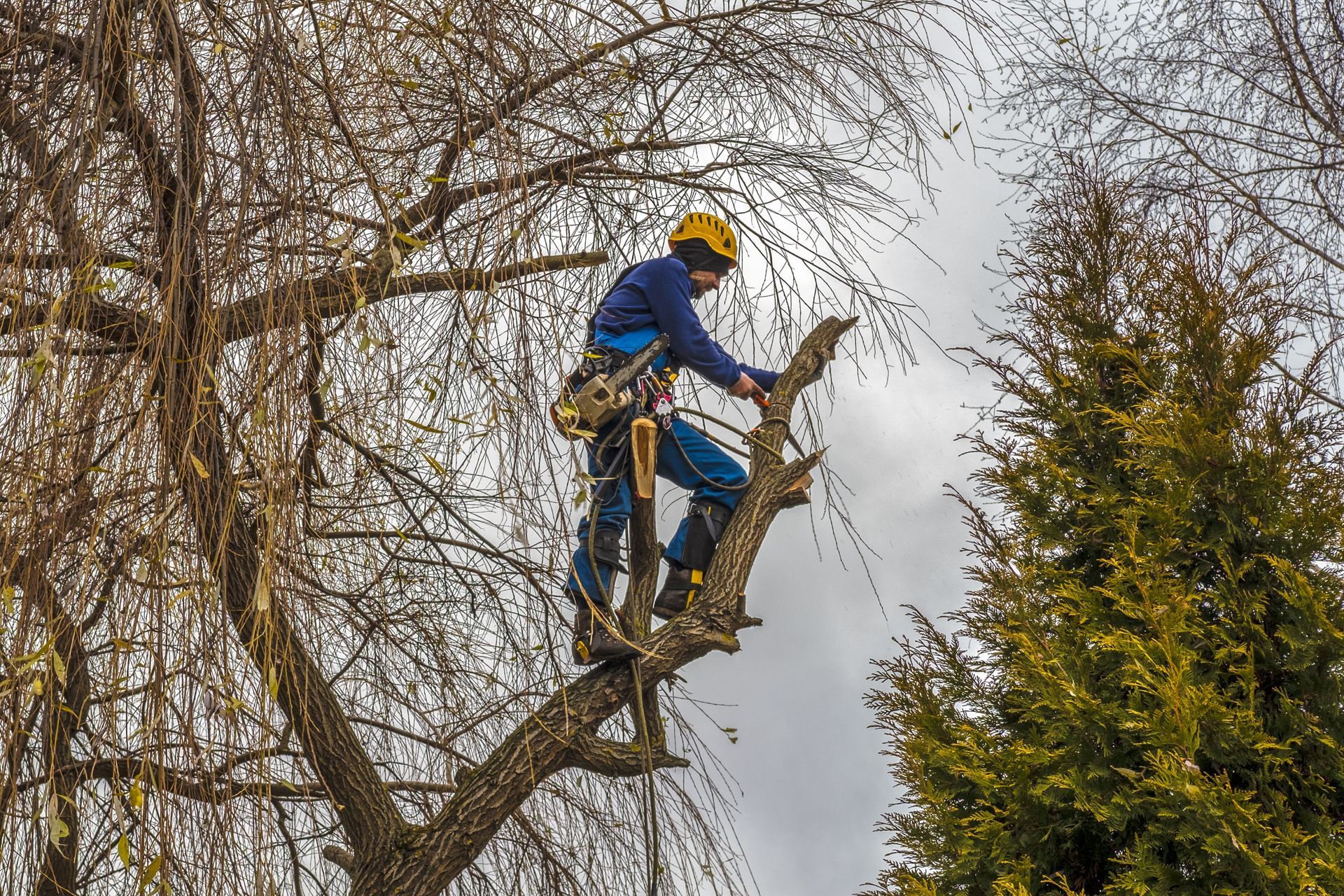
Pruning and trimming are essential methods used to enhance both the health and aesthetic value of your landscape. By removing dead or diseased branches, a local arborist prevents the spread of decay-causing fungi, thereby extending the life of the tree. Proper pruning techniques allow more sunlight to reach healthy branches, promoting better growth and fortifying the plant against pests and diseases. For fruit-bearing trees, strategic pruning is necessary for enhancing fruit yield because it directs energy toward production rather than excessive foliage growth. This technique also stimulates new growth and maintains desired structures, ensuring integrity over time. Young trees especially benefit from formative pruning to establish a robust framework.
Trimming is designed to shape trees in a manner that harmonizes with the overall property design, creating a balanced visual appeal. According to Business Research Insights, tree trimming services account for 40% of the worldwide market for residential tree care, which highlights the widespread demand for this maintenance. Safety is also a paramount concern in management, and regular trimming minimizes risks. Overhanging branches pose significant hazards during storms, where they can break and cause damage. By reducing canopy weight and making strategic cuts, professionals contribute to a more stable structure, safeguarding surrounding environments.
2. Remove Trees and Stumps
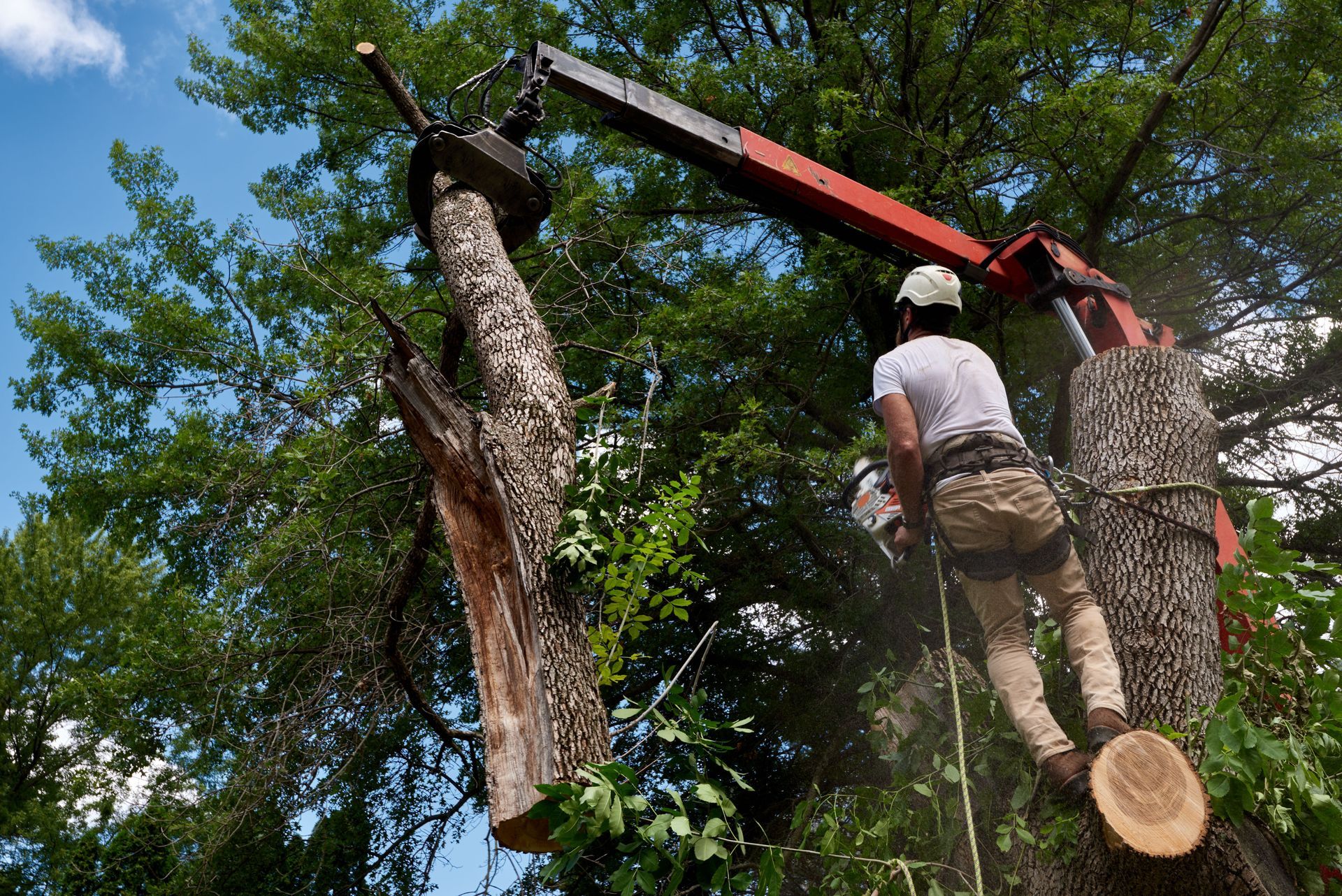
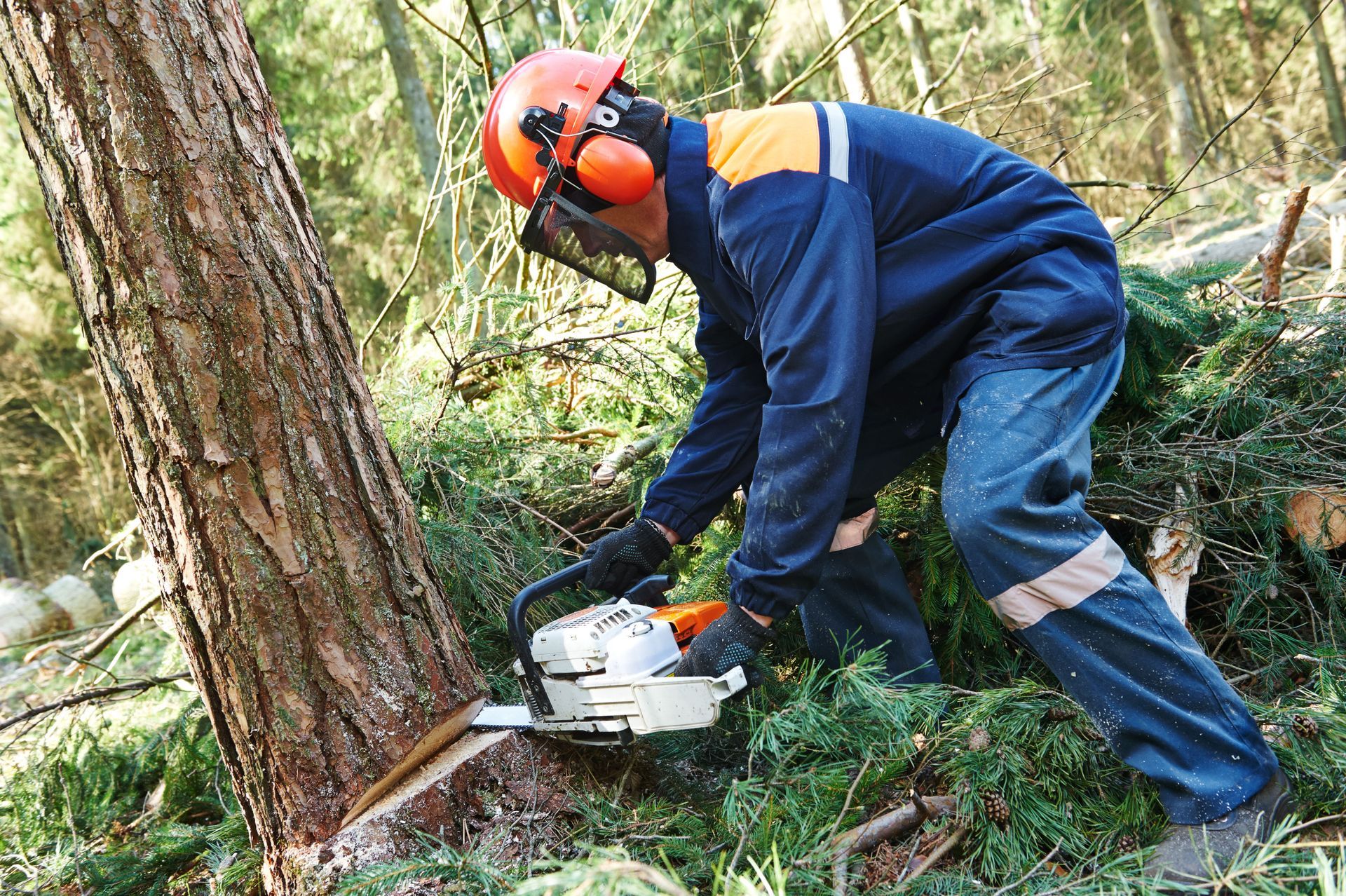
One of the critical services a local arborist provides is the assessment of tree condition to determine the necessity of removal. Specimens that are dead, dying, or pose significant risks must be identified early to avert potential hazards. Experts can diagnose signs of structural compromise that are not immediately visible to untrained eyes. When removal is necessary, safety remains paramount. Professionals employ advanced techniques, utilizing ropes and cranes to carefully control the direction of the fall. They undergo rigorous training to handle complex scenarios, enhancing safety for both workers and property. This precise approach minimizes risks and ensures the process complies with municipal safety regulations.
After a tree is dismantled, addressing the leftover stump and restoring the site are critical next steps. Leaving a stump can lead to unwanted regrowth or become a breeding ground for pests that can infect other plant life. Specialized grinders completely remove stumps below ground level, making the area conducive to new planting. Proper site clean-up ensures that the removal process does not leave unsightly debris, restoring the site's visual utility. Emergency services are also vital in the aftermath of storms, providing rapid responses to mitigate dangers posed by downed trees and restoring safety to residential properties quickly.
3. Manage Tree Health and Care
Diagnosing diseases and managing pests are vital components of maintaining a thriving landscape. Early detection is crucial to manage diseases before they cause irreversible damage or spread to other plants. A local arborist is trained to spot symptoms like discoloration, cankers, or abnormal growth patterns that indicate underlying issues. By determining the precise cause, they recommend interventions to treat or prevent disease progression. Pests can also significantly compromise plant health, making pest management a critical service. Environmentally sustainable methods are employed to control pest populations without harming beneficial insects. Integrated strategies often combine biological, cultural, and chemical controls to manage infestations effectively.
Beyond treating issues, optimizing soil conditions, root care, and water management are foundational to robust plant health. Proper soil management includes testing to assess nutrient levels and pH balance. Based on these assessments, experts develop fertilization plans providing essential nutrients for resilience. Roots are vital for stability, making professional services like root pruning and aeration critical. Root pruning is performed carefully to avoid damaging stability while preventing girdling roots. Because water is a fundamental necessity, customized irrigation systems are developed to meet specific hydration needs. By incorporating modern irrigation technologies, professionals improve management efficiency, ensuring long-term vitality in varying climates.
4. Plan and Consult for Landscapes
Integrating trees into landscape designs requires careful planning to ensure aesthetic harmony and functional enhancement. Through consultation, a local arborist assesses environmental conditions and client preferences to recommend placements that complement landscape objectives. Choosing the appropriate species is vital for successful planting and long-term landscape success. Selections are based on climate, soil conditions, and growth habits, which helps avoid common issues like overgrowth or disease susceptibility. Planting techniques advised by professionals also ensure optimal conditions for establishment and growth. This collaboration guarantees that tree selection and placement support visual aesthetics and ecological balance, cultivating a thriving landscape tailored to specific site conditions.
Long-term health requires comprehensive maintenance plans and routine safety audits. Tailored maintenance regimens encompass regular inspections, scheduled pruning, pest management, and overall health monitoring. These plans ensure consistent care that preempts potential problems and supports sustained growth. Risk assessment is a proactive approach used to identify and mitigate potential hazards. Safety audits incorporate factors like placement proximity to structures, utilities, and public areas to estimate risk levels. Addressing identified risks allows for informed decisions on necessary interventions, enhancing safety and reducing liability concerns. Engaging experts in this consultative role fosters informed stewardship of natural resources while optimizing the benefits of residential greenery.
5. Preserve and Conserve Trees
Trees of historical or ecological significance require specialized assessment and management to ensure their preservation. Evaluating these specimens involves recognizing their unique values and developing tailored conservation strategies. Preservation efforts often include treating diseases, stabilizing structures, and protecting significant species against environmental threats. A local arborist implements conservation techniques designed to protect valuable species and enhance their longevity. These methods include practices that preserve genetic diversity and promote resilience, such as selective pruning, organic pest management, and specialized soil care. By understanding both the historical context and biological needs, professionals implement management plans that ensure future generations can appreciate this ecological heritage.
Education and community engagement are integral to promoting broader conservation efforts. By raising awareness of the importance of preserving green spaces, professionals encourage community involvement and stewardship. Active participation in reforestation projects offers significant opportunities to contribute to ecological restoration and climate change mitigation. Experts lend their knowledge to selecting appropriate species, evaluating site conditions, and implementing planting strategies that maximize positive outcomes. Sustainability practices are at the forefront of these initiatives, emphasizing eco-conscious methods that benefit the environment. Adopting practices like efficient water usage and selecting native species ensures that care decisions improve environmental health and promote thriving ecosystems.
Maintaining the health and beauty of your landscape requires specialized knowledge and highly dedicated care. From routine pruning and disease management to structural support and emergency removal, professional services ensure your green spaces remain safe, vibrant, and ecologically balanced. Investing in local arborist expert care protects your property and enhances the natural environment for many years to come. To schedule a comprehensive consultation and give your landscape the professional attention it deserves, please contact us at KC Arborist Tree Care today.