By Jeff
October 28, 2026
Managing mature trees on a residential or commercial property requires balancing environmental appreciation with active risk management. While healthy trees provide shade, aesthetic appeal, and ecological benefits, dead, diseased, or structurally compromised trees pose severe safety risks to surrounding structures and residents. Executing a professional local tree removal process eliminates property hazards, prevents the spread of arboreal diseases, and opens valuable space for new landscape developments. Rather than attempting dangerous DIY cutting using basic chainsaws, property owners benefit significantly from hiring certified arborists and dedicated tree service crews. Professional teams utilize specialized rigging equipment, heavy machinery, and precise cutting techniques to disassemble large trees safely without threatening homes, utility lines, or neighboring vegetation.
Identifying Structural Risks and Regulatory Requirements
Determining whether a tree requires complete extraction involves examining physical indicators of structural failure, root decay, or severe pest infestation. Arborists look for deep trunk cracks, hollow cavities, major deadwood accumulation, leaning trunks, and fungal growths around the root collar. According to ConXPros, about 22% of homeowners are now actively seeking tree services such as removal or pruning. This growing demand highlights how property owners recognize that neglecting unstable trees leads to catastrophic structural damage during severe weather events. Additionally, professional local tree removal requires navigating municipal regulations. Many local governments enforce strict tree preservation ordinances that require formal permits before cutting down mature native species. Certified arborists assist property owners by assessing tree vitality, documenting safety hazards, and securing necessary municipal approvals before work begins.
Evaluating Site Conditions and Budgetary Expectations
Once tree removal is deemed necessary, certified arborists conduct comprehensive on-site consultations to establish a safe operational plan. During this initial assessment, technicians analyze the tree's height, canopy spread, proximity to power lines, surrounding topography, and potential fall zones. Evaluating these site variables allows the team to select appropriate heavy equipment, such as cranes, aerial bucket trucks, or heavy-duty wood chippers. Furthermore, arborists discuss personal landscape goals, potential property access constraints, and budget expectations directly with property owners. Detailed cost estimates account for crew size, job complexity, specialized machinery requirements, and post-removal cleanup options. Transparent planning and clear project timelines ensure property owners understand every operational phase before heavy equipment arrives on site.
Securing Work Zones and Coordinating Heavy Machinery
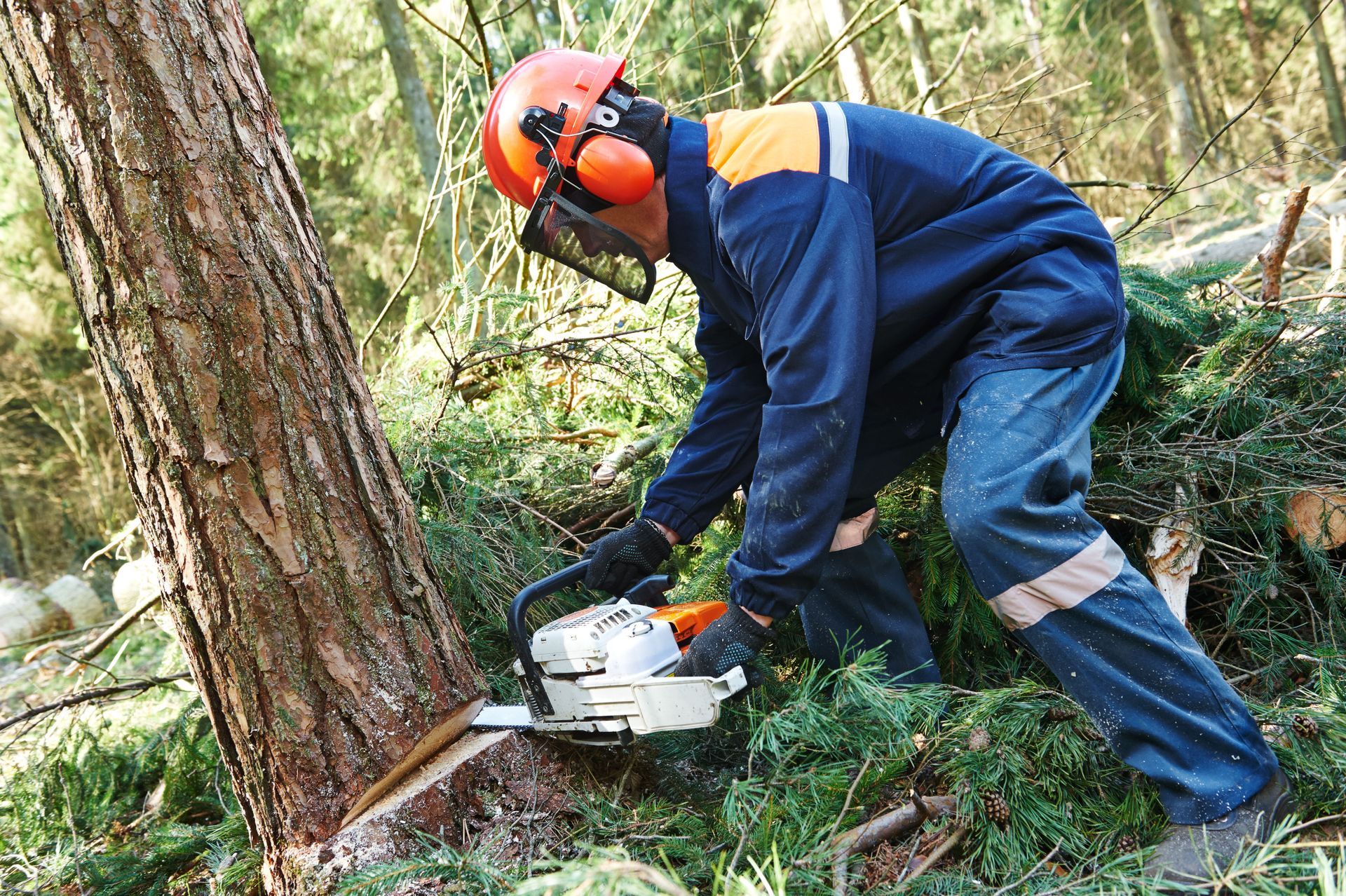
Thorough site preparation creates a controlled environment that protects workers, bystanders, and surrounding property assets throughout the project. Prior to equipment setup, technicians establish a clear safety perimeter around the work zone, restricting access to unauthorized individuals. Property owners must clear the area of outdoor furniture, vehicles, potted plants, and movable landscape features to prevent accidental damage from falling debris. Crews carefully inspect cutting gear, rigging ropes, friction brakes, and chainsaws to guarantee optimal mechanical performance. Furthermore, technicians coordinate with local utility companies to identify and protect underground power, gas, or water lines. Clear communication between ground crews and elevated climbers ensures every team member understands safety protocols and cutting sequences.
Executing Dismantling Techniques and Waste Management
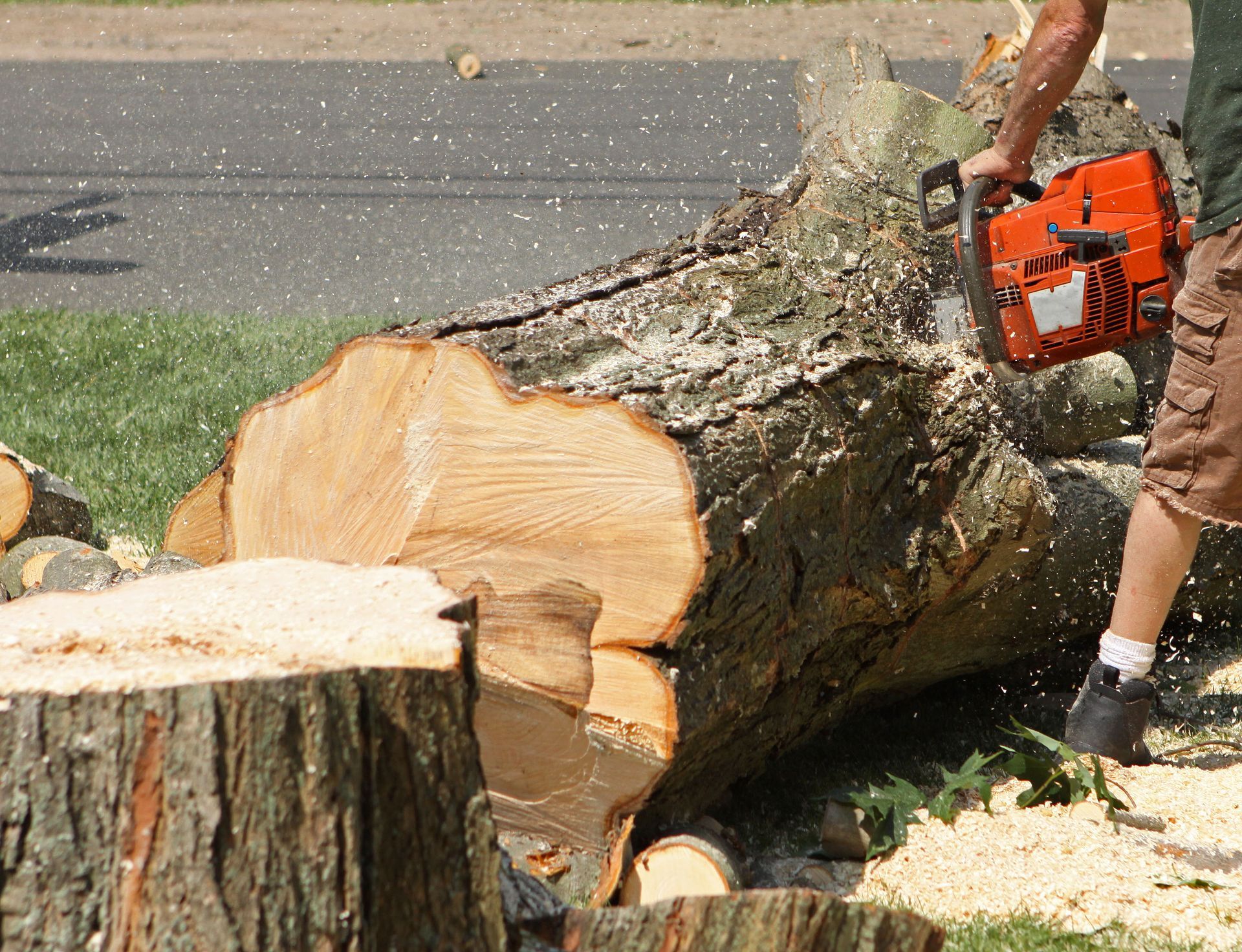
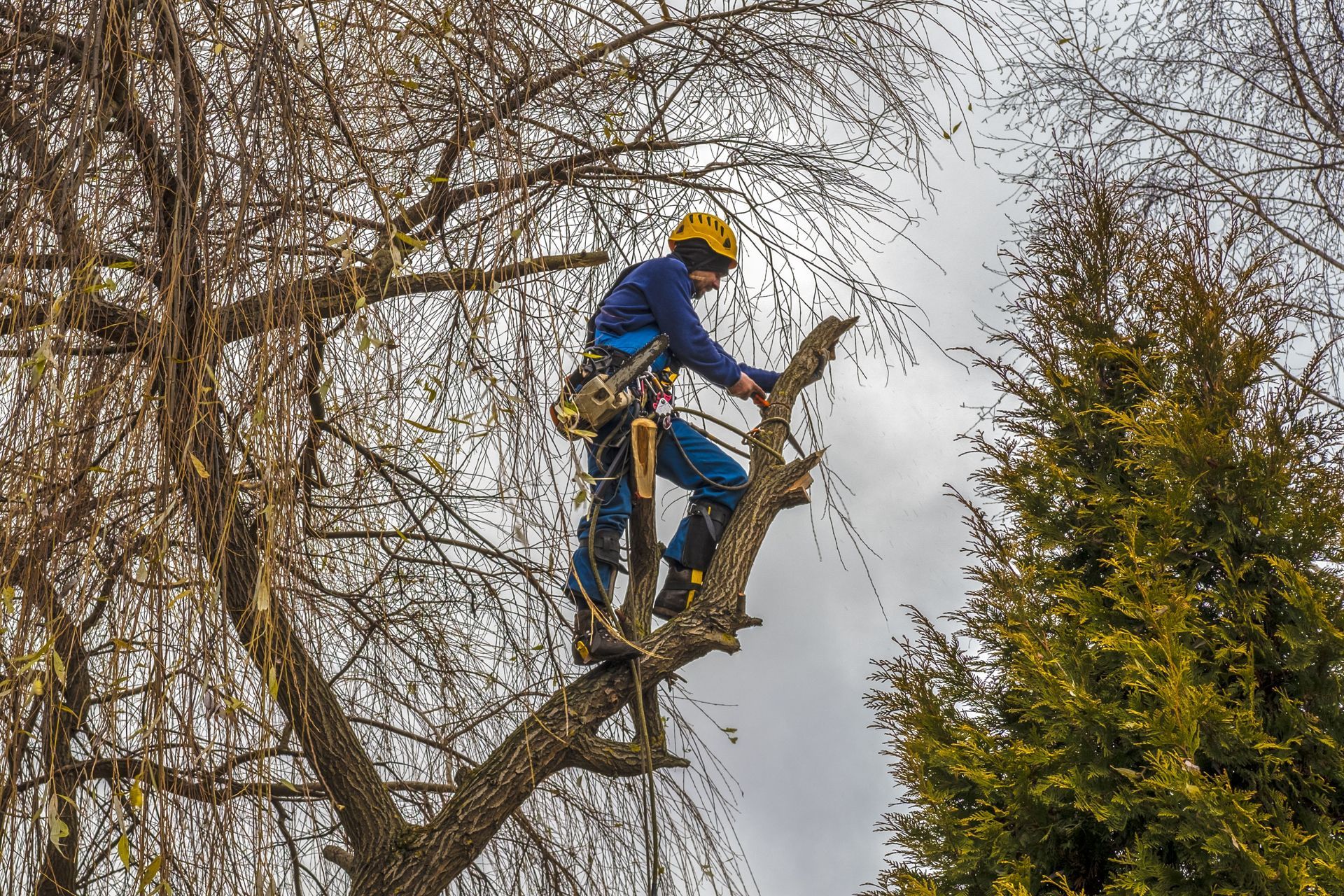
The physical dismantling of a mature tree relies on systematic, section-by-section cutting techniques rather than felling the tree in one piece. Trained climbers or bucket truck operators ascend the canopy, systematically removing outer branches before lowering main limbs using heavy-duty rigging ropes and pulleys. Ground crews secure lowering lines, controlling the descent of heavy wood sections to prevent impact damage to lawns or surrounding hardscapes. Once the limbs are cleared, technicians section the main trunk into manageable logs from the top down. Throughout the local tree removal operation, ground workers feed small branches directly into high-capacity wood chippers, transforming debris into usable organic mulch. This coordinated execution minimizes site disruption and maintains continuous safety monitoring until the entire structure is dismantled.
Grinding Stumps and Rebuilding Soil Health
Completing a local tree removal project extends beyond cutting down the trunk; proper ground remediation is necessary to restore landscape functionality. Leaving a tree stump behind creates unsightly trip hazards, attracts wood-boring pests like termites, and fosters fungal growth that can spread to nearby healthy plants. Professional arborists deploy heavy-duty stump grinders to shave the remaining wood down several inches below ground level, effectively destroying the root collar. Following stump grinding, technicians clear away excess wood chips, fill the resulting depression with topsoil, and aerate compacted ground. Property owners can then reseed the area with turfgrass, install new garden beds, or plant replacement native trees, effectively restoring long-term soil health and property aesthetics.
Implementing Specialized Equipment and Rigging Technology
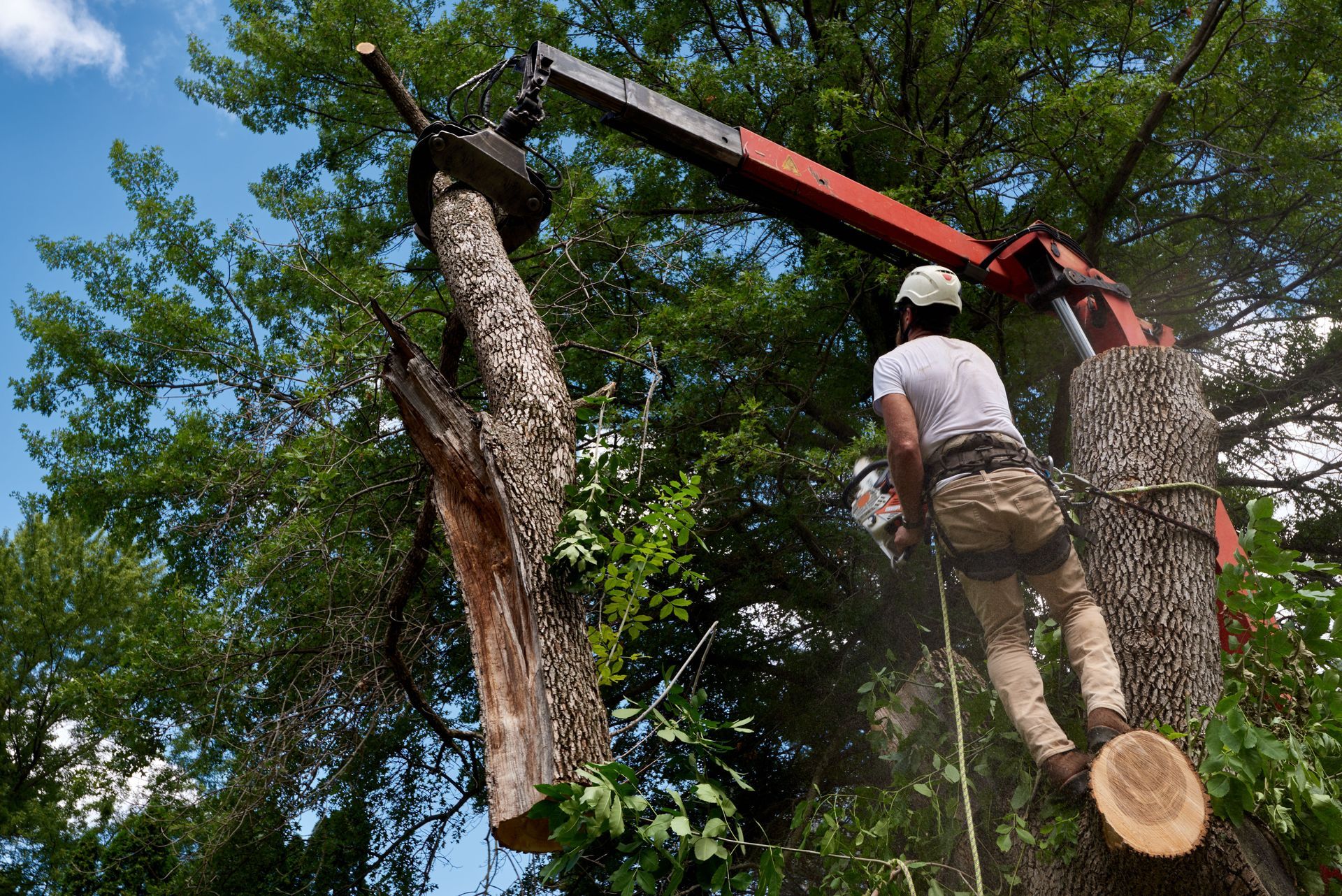
Complex tree extractions require state-of-the-art machinery and engineered rigging hardware to safely control heavy timber. Certified climbers and ground crews deploy specialized friction brakes, load-rated lowering blocks, high-tensile synthetic ropes, and heavy-duty winches to manage extreme load forces. When working in tight urban settings or close to delicate structures, crews often incorporate cranes to lift massive wood sections vertically out of confined yards. Utilizing crane-assisted lowering techniques eliminates swinging loads, protects surrounding roofing materials, and drastically reduces ground turf compaction caused by traditional falling debris. Modern local tree removal relies heavily on these mechanical advantages, allowing arborists to execute intricate dismantling operations in high-risk areas where standard felling methods would pose unacceptable hazards.
Environmental Stewardship and Post-Removal Landscaping
Removing a mature tree creates a significant ecological shift on your property, altering sunlight exposure, soil moisture absorption, and local canopy dynamics. Professional arborists guide property owners through sustainable post-removal land restoration to ensure the surrounding ecosystem remains balanced and vibrant. After complete local tree removal, technicians analyze soil condition, recommend organic soil amendments, and assist in selecting suitable replacement plant species. Introducing native trees or drought-tolerant shrubs fills newly opened canopy gaps, preserves local wildlife habitats, and prevents invasive plant species from taking root. Furthermore, recycling harvested timber into nutrient-rich organic mulch or wood chips returns essential nitrogen and carbon to garden beds, promoting long-term environmental stewardship across your entire residential landscape.
Conducting Post-Removal Inspections and Preventive Maintenance
After completing the main extraction and stump grinding, the arborist conducts a final post-removal site inspection with the property owner. Crews perform thorough site cleanup, raking up loose bark, twigs, and sawdust to leave the property in pristine condition. Technicians also evaluate neighboring trees to ensure their root systems or canopy balance were not negatively impacted during the project. Establishing a routine tree maintenance schedule helps property owners monitor remaining trees for early signs of disease, structural weakness, or storm damage. Proactive health assessments, routine canopy trimming, and deep-root fertilization preserve urban forest health, lower future emergency removal costs, and enhance overall property values across the entire neighborhood.
Partnering with certified tree care specialists ensures that hazardous trees are removed safely, legally, and efficiently without risking your property or compromising surrounding structures. From navigating complex municipal permit requirements and conducting thorough health assessments to executing technical crane lifts, stump grinding, and final soil restoration, relying on trained professionals eliminates the severe dangers of DIY tree work. Skilled arborists combine heavy-duty machinery, engineered rigging systems, and decades of biological expertise to deliver seamless, worry-free results that protect your investment and enhance your curb appeal. Furthermore, establishing a proactive maintenance plan with certified professionals helps safeguard your remaining urban forest for years to come. When you need expert local tree removal services executed with precision, safety, and genuine care for your property, trust the experienced team at KC Arborist Tree Care to protect and restore your landscape.