By Jeff
September 26, 2026
Trees enhance property values, provide essential shade, and contribute significantly to local urban ecosystems by improving overall air quality and mitigating ambient stormwater runoff. However, maintaining large, mature trees on residential properties requires careful ongoing management to prevent severe safety hazards and preserve landscape health. Property owners frequently encounter complex situations where mature trees become diseased, structurally compromised, or overly invasive toward surrounding infrastructure. Understanding when professional management is necessary ensures that safety standards are met without compromising property aesthetics or structural integrity.
Homeowners often underestimate the severe structural risks associated with aging, neglected, or damaged trees. High winds, heavy precipitation, severe ice, and subterranean root decay can rapidly weaken a tree's foundation, turning a majestic canopy into a severe hazard to human life and personal property. Recognizing early indicators of decline allows property owners to address potential issues proactively before emergency situations develop, ensuring a safer, more resilient, and visually appealing outdoor environment for everyone in the surrounding neighborhood.
Evaluating Structural Integrity and Tree Health
Identifying structural weakness in mature trees requires a trained eye and systematic professional evaluation. Common symptoms of internal structural decay include hollow trunks, major dead limbs, deep bark cracks, and visible fungal growth around the root flare. When trees develop a severe lean or display split trunks, immediate professional intervention becomes critical to evaluate the imminent risk of structural failure and establish proper mitigation strategies to protect nearby assets.
According to Arborists Near Me, 65% of the work that the tree service industry performs on any given day is on a single-family residence. This statistic underscores the exceptionally high demand for residential property care, where individual homes frequently require specialized attention to navigate constrained spaces, overhead utility lines, and nearby building structures safely, efficiently, and effectively.
Regular health assessments help identify early signs of pest infestations or fungal pathogens before they cause irreversible physiological damage. Arborists examine leaf discoloration, premature canopy thinning, and abnormal bark peeling to diagnose underlying conditions accurately. Addressing these early symptoms promptly can often salvage a valuable tree and prevent the urgent need for drastic removal measures.
Managing Risks with Professional Local Tree Removal
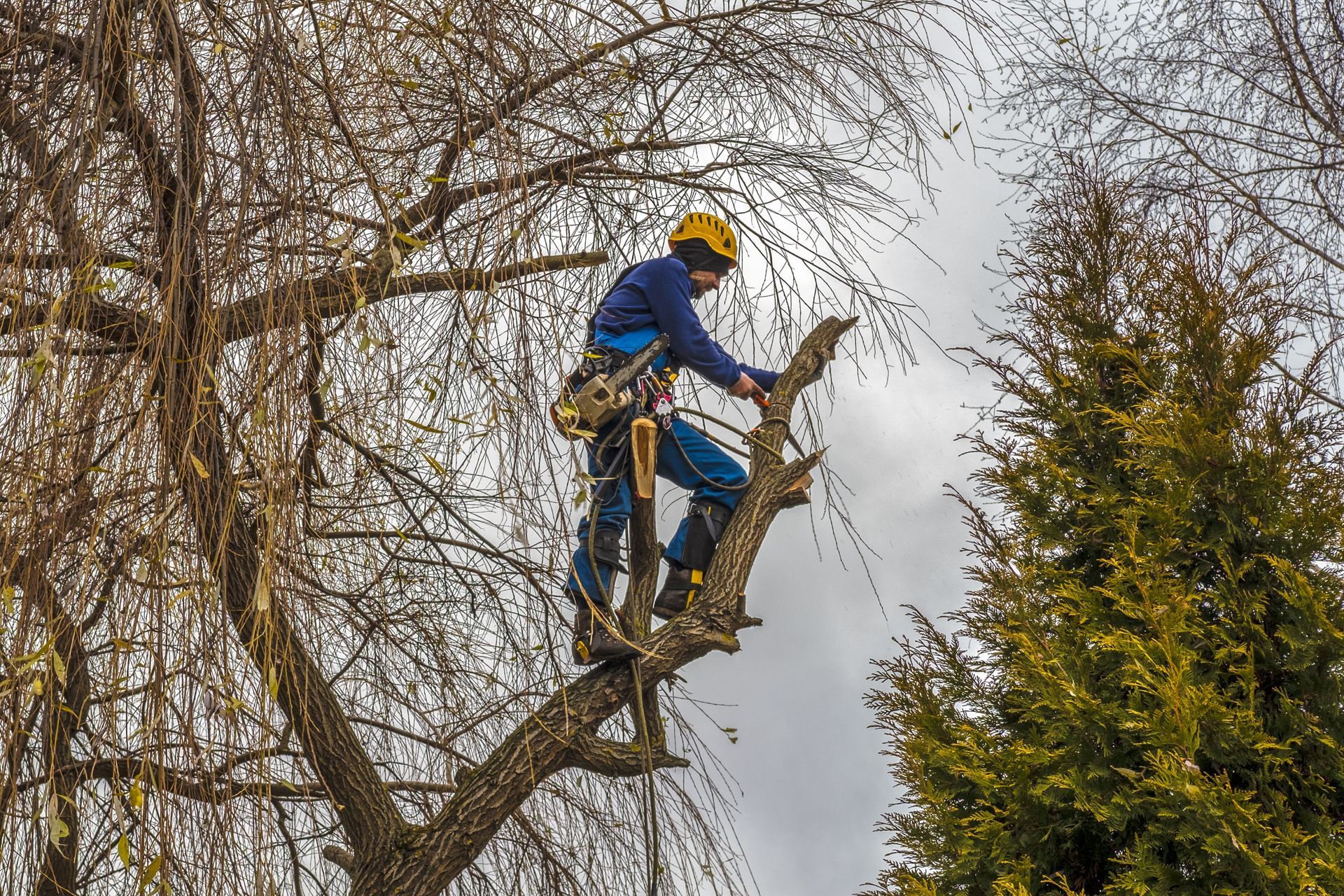
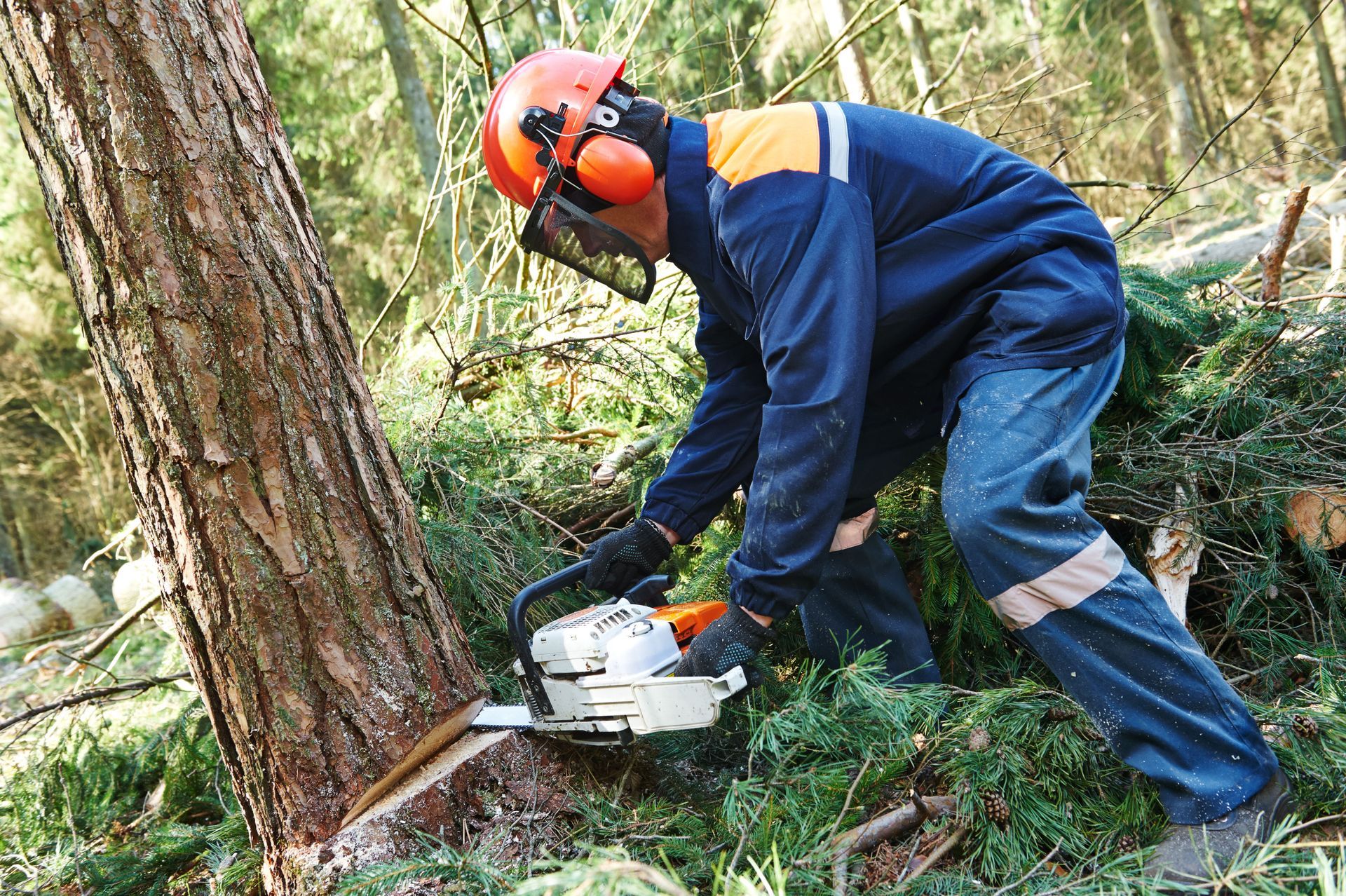
When a tree poses an immediate safety hazard or suffers from incurable disease, total elimination becomes the most practical option. Professional local tree removal involves complex rigging techniques, specialized heavy equipment, and strict adherence to industry safety protocols. Attempting this difficult task without proper training poses severe risks to personal safety, neighboring properties, and underground utility lines that run beneath the property surface.
Selecting qualified experts for local tree removal ensures that the entire process is executed safely and efficiently from start to finish. Certified technicians evaluate surrounding structures, overhead power lines, and soil conditions to plan the most effective lowering and cutting techniques. This meticulous strategic approach minimizes ground disruption and protects neighboring manicured landscapes from collateral damage during timber transport.
Timely intervention prevents hazardous trees from falling unexpectedly during severe weather events. Property owners who schedule local tree removal proactively protect their financial investments and maintain a safer environment for family members and neighbors. Clearing dangerous or dying trees also opens up vital canopy space and sunlight for healthier plant species to thrive across the landscape.
Implementing Effective Pruning Techniques
Strategic pruning promotes long-term structural strength, improves airflow through the canopy, and enhances overall tree appearance. Removing dead, diseased, or crossing branches reduces wind resistance, allowing heavy storm gusts to pass through the canopy with significantly less structural stress. Crown thinning, structural reduction, and crown raising are essential procedures for maintaining safe clearances near roofs, driveways, sidewalks, and power lines.
Timing is critical when scheduling comprehensive canopy maintenance. Pruning during late winter dormant periods minimizes sap loss and drastically reduces the likelihood of pest attraction or disease transmission through fresh pruning cuts. Proper technique ensures that cuts heal cleanly without causing internal decay at branch collars, preserving the overall vascular system and longevity of the tree.
Over-pruning or improper topping techniques can permanently damage a tree's natural structure and induce rapid growth of weak, hazardous epicormic sprouts. Partnering with certified arborists guarantees that all pruning practices adhere to national industry standards, preserving the long-term health, structural stability, and structural beauty of the tree canopy for years to come.
Preparing Sites for Safe Tree Extraction
Executing safe tree extraction requires extensive pre-operation site preparation and strategic planning. Technicians establish clear drop zones, clear debris from the surrounding perimeter, and install protective ground barriers over sensitive garden beds, lawns, and hardscapes. Proper site preparation prevents accidental structural damage to residential features during heavy branch lowering operations and heavy machinery transit.
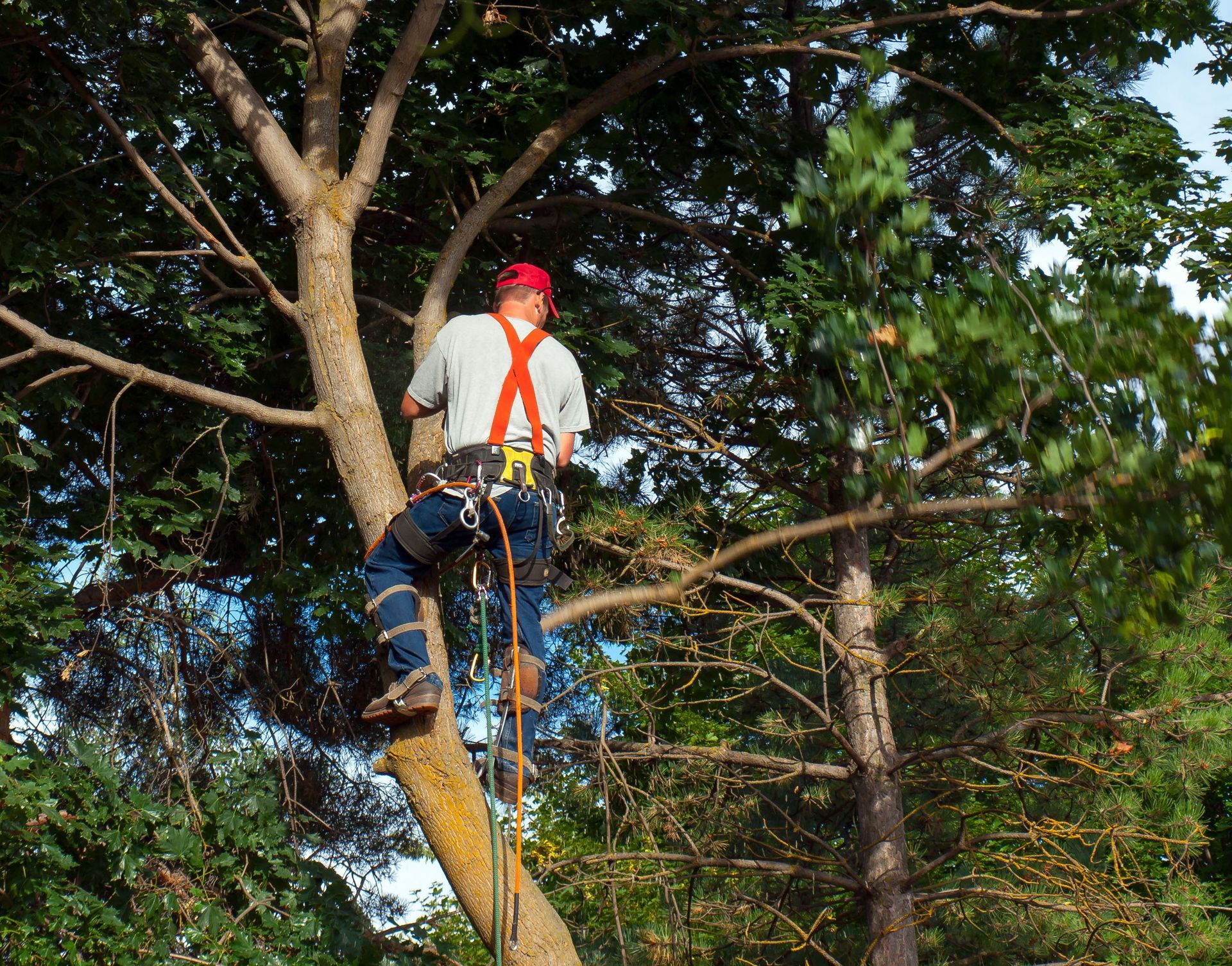
When surrounding space is tightly limited, local tree removal requires section-by-section dismantling using specialized cranes or advanced rigging systems. Workers carefully anchor, cut, and lower large timber sections sequentially to avoid hitting nearby structures or landscape features. This precision operation ensures that complex extractions proceed smoothly even in highly congested urban or suburban settings.
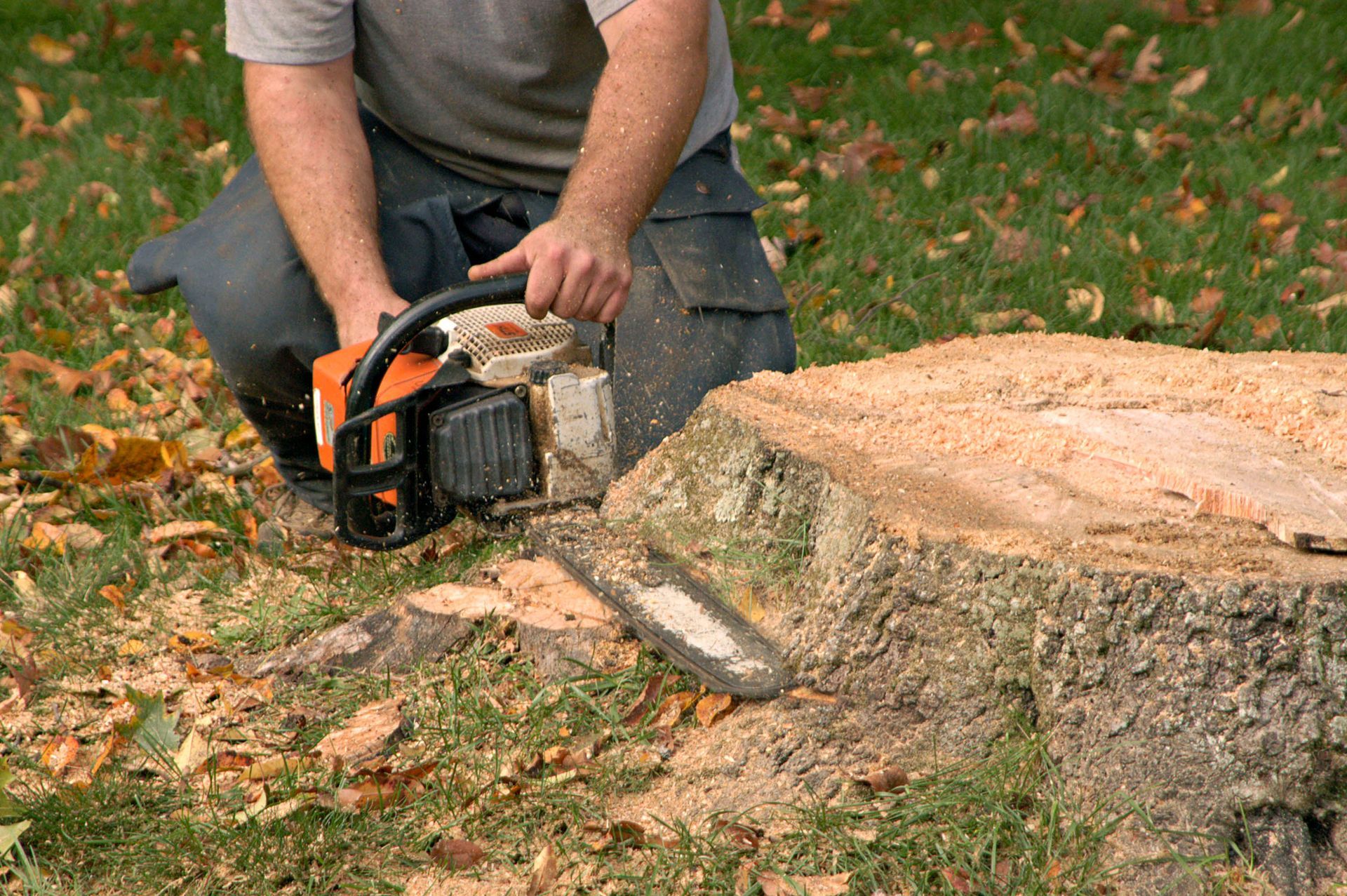
Following the main extraction process, dealing with the remaining stump and subterranean roots becomes the immediate priority. Stump grinding eliminates dangerous tripping hazards, prevents wood-boring pests from colonizing the decay, and frees up valuable ground space for future landscaping projects, hardscaping, or replacement tree plantings.
Investing in Sustainable Landscape Maintenance
Proactive tree care extends far beyond occasional removals; it encompasses ongoing soil management, pest control, and seasonal structural inspections. Implementing deep-root fertilization and proper mulching practices supports healthy root system development and significantly increases resistance against environmental stressors such as severe droughts or extreme seasonal cold spells. Adequate nutrition ensures that mature trees maintain their natural defense mechanisms against opportunistic biological threats.
Replacing removed specimens with appropriate native species ensures long-term ecological balance and aesthetic value. Selecting tree species that properly fit the available spatial footprint upon full maturity prevents future structural conflicts with home foundations, sidewalks, and utility lines, creating a sustainable, low-maintenance, and safe landscape environment. Native trees also adapt much better to local climate conditions and soil types, requiring significantly fewer chemical treatments or excessive supplemental irrigation over their lifespans.
Establishing a long-term maintenance plan with experienced professionals ensures that every tree on your property receives appropriate care throughout its entire lifespan. Scheduled evaluations help identify potential hazards early, safeguarding your home while keeping your residential landscape vibrant, secure, and beautiful for generations. Engaging skilled technicians guarantees that your trees remain a lasting asset rather than an unforeseen liability, allowing you to enjoy the full range of economic, aesthetic, and environmental benefits that healthy trees provide continuously.
Managing residential trees requires a balanced, educated approach to safety, structural maintenance, and long-term environmental care. Recognizing when a tree requires strategic pruning, targeted health intervention, or complete extraction protects property values and maintains a safe outdoor living space. Utilizing certified expertise guarantees that complex arboricultural operations are completed accurately, safely, and in full accordance with established industry standards.
Proactive care prevents costly emergency situations and supports the overall health, longevity, and safety of your suburban canopy. Whether you require routine seasonal pruning or specialized local tree removal, working with trained professionals delivers complete peace of mind and long-lasting landscape benefits. To receive more information about the services that we offer, reach out to our incredible team at KC Arborist Tree Care today!